UEFA Threatens World Cup Boycott Over FIFA Investment Plans
UEFA's 55 member associations vote to boycott World Cups unless FIFA and President Infantino abandon their controversial investment proposals. World Cup future at stake.
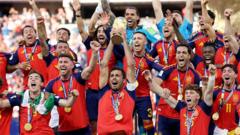
UEFA Takes Strong Stand Against FIFA Investment Proposals
European football governing body UEFA has issued a firm warning regarding FIFA World Cup boycott threats, declaring that member associations will refuse participation in future tournaments unless FIFA and its president Gianni Infantino withdraw their contentious investment proposals. The unified position emerged after all 55 UEFA member associations voted in favor of the boycott measure, marking a significant escalation in tensions between the continent's leading football federation and the international governing body.
The Core Issue: World Cup Investment Debate
At the heart of this escalating dispute lies FIFA's plans to modify the structure and financial framework of the FIFA World Cup. UEFA's opposition centers on concerns that the proposed investment initiatives could fundamentally alter the tournament's character and undermine the traditional governance models that have guided international football for decades.
The statement "the World Cup is not for sale" has become the rallying cry for UEFA's position, emphasizing that the organization views the tournament as a cornerstone of global sports heritage rather than a commercial commodity open to external investment manipulation. This philosophical divide reveals deeper disagreements about the future direction of international football administration.
United European Opposition
The fact that 55 member associations reached unanimous agreement on a FIFA World Cup boycott demonstrates the depth of concern across European football. National associations spanning from Western Europe to Eastern European nations have voiced their collective disapproval of FIFA's investment framework, suggesting that opposition to these proposals extends beyond a few vocal federations.
This level of coordination represents a powerful political message to FIFA's leadership. Such unanimity among UEFA members indicates that the concerns transcend individual national interests and reflect broader philosophical disagreements about how international football competitions should be administered and financed.
Gianni Infantino's Leadership Under Pressure
As FIFA president, Gianni Infantino faces mounting resistance to his investment agenda from UEFA, the world's most economically powerful continental confederation. The ultimatum presented by European associations represents a direct challenge to his authority and vision for FIFA's future development.
The situation highlights ongoing debates within international sports governance about commercialization, tradition, and modernization. Infantino has championed various reforms and financial initiatives since taking office, but UEFA's position suggests that not all stakeholders share his vision for transforming FIFA's business model.
Implications of World Cup Boycott Threat
A potential FIFA World Cup boycott by UEFA nations would create an unprecedented crisis for international football. The confederation represents some of the world's most successful and commercially valuable national teams, including traditional powerhouses like Germany, France, Spain, Italy, and numerous other competitive nations.
Without European participation, any FIFA World Cup would lose considerable prestige, commercial appeal, and competitive quality. Such an outcome would fundamentally damage the tournament's credibility and financial viability, suggesting that UEFA's boycott threat carries substantial weight in negotiations with FIFA leadership.
The Road Ahead
The present standoff suggests that negotiations between UEFA and FIFA will intensify in coming months. The FIFA World Cup boycott threat is not merely rhetorical positioning but represents a concrete ultimatum that could reshape international football's governance structure.
Both organizations face pressure to find common ground. UEFA must balance its members' concerns about investment frameworks with the practical realities of international sports governance, while FIFA must address legitimate concerns about how proposed changes might affect the tournament's fundamental nature and appeal to participating nations and global audiences.