Massive Evacuation: 500 People Flee Greek Wildfire
Over 500 tourists rescued by sea from Greek wildfire as blazes spread across Europe. Authorities evacuate trapped residents from Agios Vasileios by boat.
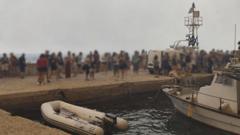
Greek Wildfire Evacuation Reaches Critical Levels
A significant Greek wildfire evacuation operation unfolded as approximately 500 individuals, predominantly tourists, were rescued from the coastal area of Agios Vasileios. The emergency maritime rescue represented one of the most dramatic responses to the escalating fire crisis engulfing multiple European nations this season.
Unprecedented Maritime Rescue Operations
The Greek wildfire evacuation by sea marked a turning point in how authorities managed the crisis. Boat operators and coast guard vessels worked tirelessly to transport stranded visitors from the threatened zone, ensuring that those trapped by advancing flames could reach safety across the water. The rescue operation demonstrated the critical importance of maritime contingency plans when terrestrial escape routes become impassable.
Challenges Facing Evacuees
Residents and tourists in Agios Vasileios faced unprecedented challenges as the wildfire advanced toward populated areas. Many found themselves unable to flee by road due to smoke, fallen trees, and rapidly changing fire fronts. The sea provided the only viable escape route for hundreds of individuals who were unable to navigate overland paths. Families, elderly residents, and holidaymakers boarded available vessels in a coordinated effort to move away from the immediate danger zone.
Broader European Wildfire Crisis
The situation in Greece formed part of a larger pattern of devastating wildfires sweeping across Europe. Multiple countries battled intense blazes simultaneously, stretching emergency resources thin and forcing authorities to implement coordinated international response strategies. Climate conditions, including extreme heat waves and prolonged droughts, created ideal circumstances for rapid fire spread across the continent.
Impact on Tourism and Infrastructure
The Greek wildfire evacuation affected numerous tourist destinations during peak holiday season, disrupting accommodations, transportation networks, and recreational activities. Visitors who had planned weeks-long vacations found themselves hastily evacuated, while businesses dependent on summer tourism faced significant economic losses. Local infrastructure, including roads, power lines, and communication systems, sustained damage from the advancing flames.
Emergency Response and Coordination
Greek authorities mobilized comprehensive emergency protocols to manage the evacuation efficiently. Coast guard personnel, local emergency services, and volunteer rescue teams coordinated timing and logistics to ensure smooth operations. The maritime rescue strategy proved effective in moving large numbers of people rapidly, preventing casualties and ensuring that no one was left behind in the danger zone.
International Support Measures
As the wildfire crisis intensified across Europe, neighboring countries offered mutual aid through firefighting resources, personnel, and financial assistance. The cross-border cooperation underscored the continental scale of the disaster and the necessity for unified responses to environmental emergencies exceeding individual nation capacities.
Environmental and Climate Factors
Meteorological conditions created a perfect storm for wildfire proliferation. Extended drought periods reduced moisture content in vegetation, while unprecedented heat waves elevated temperatures to dangerous levels. Wind patterns accelerated fire spread across vast territories, making containment efforts extraordinarily difficult for firefighting teams deployed across affected regions.
Long-term Recovery Considerations
Recovery from the wildfire evacuation crisis would extend far beyond the immediate emergency phase. Displaced residents required temporary housing, medical attention, and psychological support. Rebuilding damaged communities, restoring infrastructure, and replanting forests represented multi-year commitments requiring substantial financial investment and coordinated governmental action.
Lessons for Future Preparedness
The evacuation operation provided valuable insights into emergency management procedures. Maritime evacuation routes proved essential when traditional evacuation corridors became unusable. Future planning must incorporate diverse escape strategies, pre-positioned rescue vessels, and enhanced early warning systems to provide residents and tourists with maximum response time when wildfires threaten populated areas.
The successful rescue of approximately 500 individuals from Agios Vasileios demonstrated both the effectiveness of coordinated emergency response and the scale of challenges posed by increasingly severe wildfires across Europe's Mediterranean regions.