United States Launches Extensive Military Operations Against Iran Following Troop Attack Attempt
The US initiates major military strikes on Iran after attempted assault on American forces. Latest developments in Middle East escalation and military response.
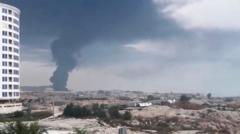
United States Initiates Comprehensive Military Response to Iran Aggression
In a significant escalation of regional tensions, the United States has launched extensive military operations targeting Iranian positions following an attempted assault directed at American service personnel stationed in the region. The US military strikes on Iran represent a substantial shift in the conflict dynamics after a temporary period of reduced hostilities between the two nations.
The military engagement comes after a brief ceasefire period during which both the United States and Iran had exercised restraint in their military activities. However, this period of relative peace has now concluded, with each side resuming offensive capabilities and aggressive positioning. The renewed tensions underscore the fragile nature of any temporary agreements and the underlying geopolitical complexities in the Middle East.
Resumption of Missile Attacks and Military Confrontation
The breakdown of the temporary truce marks a critical turning point in the ongoing military standoff. According to military sources, both sides have restarted their comprehensive missile attack operations, indicating a return to active hostilities. The resumption of these military activities demonstrates the persistent nature of the conflict and the inability of diplomatic channels to establish lasting peace.
Intelligence reports indicate that the US military strikes on Iran were conducted with precision targeting military installations believed to be involved in the planning and execution of the attempted attack on American troops. The scale and intensity of the American response reflect the severity with which the United States views threats to its military personnel and regional interests.
The Cycle of Military Escalation in the Middle East
The current situation exemplifies the recurring pattern of military escalation that has characterized US-Iran relations for decades. The US military strikes on Iran follow established protocols and represent the United States' commitment to protecting its forces and maintaining regional stability. However, the retaliation and counter-retaliation cycle continues to fuel tensions throughout the Middle East.
Military analysts suggest that the attempted attack on American troops was a deliberate provocation designed to test the resolve of the United States and its willingness to engage in further conflict. The American response through comprehensive military strikes was intended to demonstrate strength while also serving as a deterrent against future attacks.
International Response and Regional Implications
The renewed military confrontation between the United States and Iran has drawn international attention and concern from regional allies and international observers. The implications of continued escalation extend beyond the immediate military engagement, affecting international relations, economic markets, and humanitarian conditions throughout the Middle East.
Various nations with strategic interests in the region are monitoring the situation closely, concerned about the potential for further destabilization. The US military strikes on Iran represent a critical juncture that could either lead to further escalation or provide an opportunity for diplomatic engagement if both sides choose to pursue negotiations.
Assessment of Current Military Status
As hostilities have resumed following the brief period of calm, military forces on both sides have activated defensive and offensive capabilities. The resumption of missile attacks demonstrates that neither party is prepared to accept a permanent ceasefire without achieving its strategic objectives. The current military posture suggests that further escalation remains a distinct possibility.
The situation remains fluid and dynamic, with military commanders and political leadership on both sides assessing options and determining appropriate responses. The consequences of these military operations will likely have long-term effects on regional security dynamics and international relations in the Middle East and beyond.