Trump Pledges Investigation into EU Tech Fines Against US Giants
Trump commits to investigating EU penalties on Google, Apple, Meta and Amazon. US president demands complete reversal of fines imposed on American technology companies.
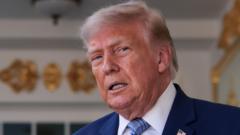
Trump Commits to Investigating European Union Actions Against Tech Giants
The United States president has announced his intention to launch a comprehensive investigation into the European Union's enforcement actions against major American technology corporations, particularly focusing on the substantial financial penalties levied against industry leaders. Trump's commitment to examining EU tech fines investigation represents a significant escalation in trade tensions between Washington and Brussels, signaling that his administration will take aggressive steps to challenge what it views as unfair regulatory treatment of domestic companies operating in European markets.
Demands Complete Reversal of All Imposed Penalties
During recent remarks, the president explicitly stated that sanctions imposed on Google, Apple, Meta, and Amazon should be entirely reversed and eliminated. These companies have collectively faced billions of dollars in fines from European regulatory authorities over the past several years, primarily related to antitrust concerns and alleged anti-competitive practices. Trump's position suggests that his administration views these penalties as punitive measures designed to disadvantage American innovation and competitiveness in global markets.
Background on EU Regulatory Actions
The European Union has established itself as one of the world's most stringent regulators of technology companies, implementing extensive legislation including the Digital Markets Act and the Digital Services Act. These regulatory frameworks have resulted in substantial fines against major US corporations. Google, in particular, has faced multiple multi-billion dollar penalties from the EU for various alleged violations, while Apple, Meta, and Amazon have also received significant fines for their respective business practices within European Union jurisdictions.
Trump Administration's Protectionist Stance
The president's announcement reflects his administration's broader approach to defending American business interests abroad. By pledging to investigate EU tech fines and demanding reversal of penalties, Trump is positioning his government as an active protector of domestic corporations against what he characterizes as discriminatory foreign regulation. This approach aligns with his previous policy initiatives aimed at reshaping international trade relationships and reducing what he views as imbalances favoring other nations at American expense.
Potential Implications for US-EU Relations
Such statements carry significant implications for transatlantic relations and international trade dynamics. If the administration follows through with formal investigations into European regulatory decisions, it could trigger retaliatory measures from the EU and escalate existing trade disputes between the world's two largest economic blocs. The threat of investigation into EU tech fines represents a departure from previous American approaches to international regulatory disagreements, emphasizing confrontation over diplomatic resolution.
Company-Specific Contexts
Each of the mentioned corporations has faced distinct regulatory challenges in Europe. Google has been scrutinized primarily for search dominance and digital advertising practices. Apple faced criticism regarding its App Store policies and ecosystem control. Meta's social media platforms have been subject to intense examination regarding data privacy and user protection. Amazon has dealt with investigations related to its marketplace practices and treatment of third-party sellers. These accumulated EU tech fines investigations represent billions in penalties that American technology executives argue have constrained their competitive positioning within European markets.
The Broader Tech Regulation Debate
The dispute reflects fundamental disagreements between American and European approaches to technology regulation. While American authorities have historically favored lighter regulatory frameworks to promote innovation, European policymakers prioritize consumer protection, data privacy, and competitive fairness. Trump's commitment to investigating and reversing EU actions signals his alignment with the former perspective, prioritizing growth and market freedom over regulatory constraints.
International Response and Outlook
European officials have not yet formally responded to the president's announcement regarding investigation of EU tech fines against American companies. However, the EU has consistently defended its regulatory independence and authority to enforce its own laws within its jurisdiction. Brussels may view such investigations as interference in sovereign regulatory matters, potentially hardening positions on both sides. The coming months will reveal whether the Trump administration pursues formal investigations, and how European policymakers respond to such challenges to their regulatory framework.