Surgeons Direct Human-Like Robots Remotely in Operating Room
Revolutionary remote-controlled robotics technology enables surgeons to operate human-like robots in surgical theaters, advancing minimally invasive procedures.
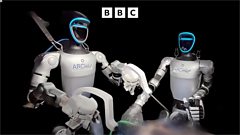
Revolutionary Remote Surgery: Surgeons Command Human-Like Robots from Distance
Remote-controlled surgical robots represent a groundbreaking advancement in medical technology, fundamentally transforming how surgical procedures are performed in modern operating theaters. This innovative approach allows qualified surgeons to precisely direct human-like robotic systems from a distance, creating unprecedented opportunities for surgical precision and accessibility. The deployment of remote-controlled surgical robots marks a significant milestone in the evolution of robotic-assisted surgery and telemedicine.
How Remote-Controlled Surgical Robots Operate
The remote-controlled surgical robots function through sophisticated real-time communication systems that transmit surgeon commands to robotic units positioned at the patient's side. These human-like machines possess advanced mechanical hands capable of executing delicate surgical maneuvers with exceptional accuracy. The operator maintains complete visual feedback through high-definition imaging systems, allowing them to monitor every movement and respond instantaneously to procedural requirements.
Technical Specifications and Capabilities
Modern remote-controlled surgical robots incorporate anthropomorphic designs that replicate human surgical technique and anatomical understanding. These systems feature multiple articulated joints, sensitive pressure sensors, and precision instruments that enable surgeons to perform complex procedures through minimally invasive techniques. The technology eliminates hand tremors and allows for motion scaling, meaning larger movements from the surgeon translate to proportionally smaller, more controlled movements at the surgical site.
Advantages of Robotic Surgery Technology
Remote-controlled surgical robots deliver substantial benefits to both medical professionals and patients. Surgeons can operate from different geographic locations, potentially bringing specialist expertise to underserved medical centers. This accessibility democratizes advanced surgical care and reduces the need for patient transportation during critical medical situations. Patients experience reduced tissue trauma, minimized blood loss, and accelerated recovery periods compared to traditional open surgery techniques.
Enhanced Precision in Surgical Procedures
The implementation of remote-controlled surgical robots in operating theaters substantially improves surgical outcomes through enhanced precision capabilities. These robotic systems eliminate the involuntary hand movements that characterize human surgeons, enabling procedures of extraordinary delicacy. Surgeons directing these machines can perform complex operations with micro-level accuracy, particularly beneficial in intricate procedures involving sensitive anatomical structures.
Integration with Telemedicine Operations
Remote-controlled surgical robots seamlessly integrate with telemedicine infrastructure, expanding surgical capabilities beyond traditional hospital boundaries. Experienced surgeons can mentor younger practitioners while simultaneously controlling robotic assistance, creating educational opportunities in real surgical environments. This integration strengthens medical knowledge transfer and standardizes surgical techniques across multiple institutions worldwide.
Clinical Applications and Surgical Specialties
Remote-controlled surgical robots prove invaluable across numerous surgical disciplines, including cardiothoracic, urological, gynecological, and general surgery. The versatility of these robotic systems enables their deployment in diverse surgical scenarios, from routine procedures to highly specialized interventions. Operating theaters equipped with these technologies report improved patient outcomes and shortened hospital stays.
Future Prospects for Surgical Automation
The continued development of remote-controlled surgical robots promises further revolutionary changes in healthcare delivery. Artificial intelligence integration will enhance autonomous capabilities while maintaining surgeon oversight. Future iterations may incorporate haptic feedback systems, providing surgeons with tactile sensation during remote operations, creating an even more intuitive surgical experience.
Remote-controlled surgical robots exemplify technology's potential to revolutionize medical practice. As these systems become increasingly sophisticated and accessible, they will continue reshaping surgical standards, improving patient safety, and expanding the boundaries of what surgeons can accomplish in operating theaters worldwide.