Supreme Court to Review Palestine Action Ban Under UK Terrorism Laws
UK Supreme Court grants Palestine Action co-founder permission to appeal government's proscription under anti-terrorism legislation. Latest developments in legal challenge.
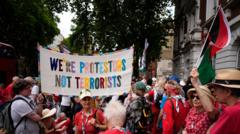
Supreme Court Reviews Palestine Action Proscription
The United Kingdom's highest judicial authority has granted Palestine Action's co-founder permission to mount a formal appeal against the government's decision to proscribe the organization under anti-terrorism legislation. This landmark decision represents a significant development in the Palestine Action ban dispute and could have far-reaching implications for protest groups and civil liberties in Britain.
Understanding the Palestine Action Ban
Palestine Action, an activist organization focused on Palestinian rights, faced proscription under the Terrorism Act following controversial direct action campaigns. The Palestine Action ban was imposed by the government, effectively criminalizing membership and support for the group's activities. The designation marked an escalation in the official response to the organization's protest tactics and advocacy methods.
The Government's Proscription Decision
The original proscription order cited concerns regarding the organization's operational methods and strategic approaches. Officials argued that the Palestine Action ban was necessary to maintain public order and national security. However, the group and its supporters contested the classification, arguing that designating them as a terrorist organization was disproportionate and violated fundamental freedoms of expression and assembly.
Legal Challenge and Court Permission
Palestine Action's legal team moved swiftly to challenge the proscription through the courts. The permission to appeal granted by the Supreme Court indicates the judicial body believes the case raises questions of sufficient legal importance to warrant full consideration. This green light for the appeal suggests the Supreme Court recognizes potentially significant issues surrounding the Palestine Action ban and its justification under existing anti-terrorism legislation.
Implications of the Supreme Court Decision
The decision to allow the appeal of the Palestine Action ban has substantial implications for how the government may classify protest organizations in the future. Civil liberties advocates view the court's willingness to hear the case as a positive signal for protecting fundamental rights, while security officials maintain that such designations serve a legitimate protective purpose.
Anti-Terrorism Legislation Under Scrutiny
This case brings renewed attention to how the Terrorism Act is applied to domestic protest groups. The Palestine Action ban challenge raises important questions about the threshold for proscription and whether controversial activism should automatically trigger terrorism designations. Legal experts have noted that the case could clarify the boundaries between protected political expression and activities that legitimately fall under terrorism legislation.
Historical Context of Proscription Decisions
The Palestine Action ban is not the first time the government has proscribed activist groups under anti-terrorism powers. However, this case distinguishes itself through the Supreme Court's decision to review it, suggesting that questions about the appropriateness of such designations merit the court's highest level of attention.
What Happens Next
The Supreme Court's permission means Palestine Action's co-founder can now present arguments before the full court regarding the Palestine Action ban. The hearing could examine whether the proscription was lawful, whether adequate procedural safeguards were followed, and whether the designation was proportionate to any genuine threats the organization posed.
During the appeal proceedings, the court will likely consider evidence about Palestine Action's actual activities, the government's reasoning for the proscription, and broader questions about the scope of anti-terrorism legislation in a democratic society. The eventual ruling could require the government to justify or potentially reconsider the Palestine Action ban.
Broader Implications for Activism and Civil Liberties
Beyond the specific case, the Supreme Court's willingness to hear this appeal carries significance for activist organizations across the political spectrum. The outcome could influence how future decisions are made regarding proscription orders and establish important legal precedents about balancing national security concerns with fundamental freedoms.
Civil society groups and human rights organizations have expressed interest in the case, recognizing that how courts interpret anti-terrorism legislation affects all protest movements. The Palestine Action ban review therefore extends beyond one organization to touch on core principles of democratic participation and judicial oversight of executive power.
The Road Ahead
The Supreme Court's decision to grant permission for appeal represents a critical juncture in the Palestine Action ban controversy. As the case proceeds, it will provide an opportunity for the highest court in the land to examine whether the proscription was properly justified and whether the government's use of anti-terrorism powers was appropriate in this instance. Whatever the eventual outcome, the Supreme Court's engagement with this Palestine Action ban case signals that significant questions about the proper scope of terrorism legislation remain unresolved and merit careful judicial consideration.