Southwest France Wildfires Intensify as 40°C Heatwave Approaches Region
Wildfires in southwest France spread rapidly as authorities prepare for extreme temperatures exceeding 40°C. Firefighters face challenging conditions in Gironde.
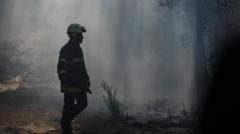
Wildfires in Southwest France Escalate Amid Rising Temperatures
The situation surrounding wildfires in southwest France has reached critical levels as emergency response teams prepare for severe meteorological conditions that threaten to further worsen the crisis. Regional authorities in Gironde are implementing enhanced protocols to address the growing threat posed by rapidly spreading flames and the anticipated arrival of dangerously high temperatures.
Firefighting operations across the southwestern territories face unprecedented challenges as multiple blazes continue their destructive advance. Emergency services have mobilized significant resources to combat the expanding fire fronts, working against environmental factors that have proven increasingly difficult to manage.
Temperature Surge Complicates Firefighting Efforts
A dramatic escalation in atmospheric conditions is expected to complicate containment strategies significantly. Meteorological forecasts indicate that temperatures will surge substantially on Wednesday, with predictions reaching approximately 40 degrees Celsius throughout the affected region. Such extreme heat creates hazardous working conditions for emergency personnel while simultaneously accelerating fire spread and intensity.
The convergence of high temperatures with existing fire conditions represents a critical juncture for firefighting teams. Elevated heat accelerates fuel drying, enhances combustion rates, and reduces the effectiveness of water-based suppression methods. Firefighters acknowledge that this combination threatens to render conventional containment approaches less effective during peak temperature hours.
Emergency Response and Regional Coordination
Authorities in Gironde have activated comprehensive emergency protocols to address the multifaceted crisis. Regional coordinators are working to optimize resource distribution across affected territories while anticipating the intensification that Wednesday's heatwave will bring. Fire crews have been restructured and repositioned strategically to maximize protection of populated areas and critical infrastructure.
The response framework incorporates real-time monitoring systems that track fire progression, atmospheric conditions, and team deployment. This integrated approach enables rapid adjustments to operational strategies as circumstances evolve. Communication channels between local authorities, regional emergency services, and national resources have been reinforced to ensure coordinated action.
Anticipated Challenges During Peak Heat
When temperatures reach their forecasted maximum, wildfires in southwest France will likely exhibit more aggressive behavior patterns. Extreme heat reduces moisture content in vegetation, transforming landscapes into highly combustible environments. Wind patterns typically associated with such temperature anomalies can drive flames across greater distances at accelerated speeds.
The convergence of these factors creates compound stress on firefighting operations. Personnel safety becomes increasingly precarious during extreme heat episodes, requiring enhanced medical support and rotation protocols. Equipment performance may degrade under sustained high-temperature exposure, potentially limiting operational capacity precisely when it is most critically needed.
Community Preparedness and Safety Measures
Residents throughout the region are being advised to remain vigilant and prepared for possible evacuation orders. Authorities have established clear communication channels to notify populations of developing threats and necessary protective actions. Emergency shelters are being prepared throughout the region to accommodate displaced residents should evacuation become necessary.
The public has been urged to avoid creating additional fire hazards through controlled burning activities or outdoor fire management. All non-essential outdoor heat sources are discouraged during the critical period. Community members are encouraged to maintain awareness of official channels for emergency information and evacuation directives.
Ongoing Vigilance and Future Outlook
As wildfires in southwest France continue their assault on regional landscapes and communities, vigilance remains paramount. The next forty-eight hours represent a critical window during which meteorological conditions will severely test containment capabilities. Firefighting agencies are preparing for the possibility that extreme temperatures may temporarily overwhelm suppression efforts in certain sectors, necessitating tactical withdrawal and defensive positioning strategies.
The situation underscores the increasing frequency and intensity of weather-driven natural disasters affecting Mediterranean regions. Climate patterns continue to produce conditions favorable to rapid wildfire development, demanding enhanced preparedness and resource allocation from emergency management agencies.