Police Drop Case on Polanski's Farage Guillotine Image
Metropolitan Police closes investigation into Green party leader Zack Polanski sharing guillotine image targeting Nigel Farage. No criminal charges filed.
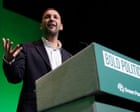
Polanski Farage Guillotine Image Investigation Concluded
The Polanski Farage guillotine image controversy has reached its conclusion as Scotland Yard announced that no further investigation will proceed regarding the contentious photograph. The decision marks the end of a brief but significant inquiry into the circumstances surrounding the controversial social media post.
Zack Polanski, who holds the position of Green party leader for England and Wales, came under scrutiny after distributing an image featuring a person wearing apparel displaying a guillotine alongside text reading "we're only making plans for Nigel." The Metropolitan Police has determined that the threshold for pursuing criminal charges against the politician has not been satisfied.
The Incident and Initial Response
The controversial post emerged as tensions between political figures intensified during parliamentary debates. Polanski's decision to share the Polanski Farage guillotine image triggered immediate calls for accountability from Reform party representatives and supporters of Nigel Farage, who was the apparent target of the imagery.
Following the distribution of the photograph, the Green party leader characterized his actions as an "inadvertent mistake" rather than a deliberate attempt to incite violence or threaten political opponents. However, Polanski has maintained his position of refusing to offer an apology to Nigel Farage, despite mounting pressure from various quarters.
Metropolitan Police Decision and Investigation Closure
The Metropolitan Police's investigation into the Polanski Farage guillotine image has concluded without recommending prosecution. Law enforcement authorities determined that while the content was controversial, it did not meet the legal threshold necessary for criminal action under existing UK legislation regarding threats, incitement, or harassment.
This determination aligns with established precedent in cases involving political speech and social media communications. The police assessment suggests that distinguishing between protected political expression and genuine criminal threats remains a complex matter within the British legal system.
Political Implications and Responses
The closure of the investigation into the Polanski Farage guillotine image has significant ramifications for political discourse in Britain. The Green party leader's refusal to apologize has been characterized by critics as dismissive of concerns raised by the Reform party and its supporters.
Nigel Farage's supporters have expressed frustration with both the content of the original post and what they perceive as insufficient accountability measures. The controversy highlights the tension between freedom of political expression and calls for greater civility in parliamentary discussions.
Broader Context of Political Tensions
The incident involving the Polanski Farage guillotine image reflects ongoing tensions within British politics as various parties compete for electoral advantage and public support. The Green party, under Polanski's leadership, has sought to establish itself as a significant force in national politics.
Meanwhile, Nigel Farage continues to lead the Reform party with considerable influence over discussions regarding immigration, sovereignty, and traditional conservative values. The clash between these political figures represents broader ideological differences that characterize contemporary British political discourse.
Analysis of the Police Statement
Scotland Yard's decision regarding the Polanski Farage guillotine image reflects careful consideration of legal boundaries surrounding political speech. The police statement emphasized that while the photograph was objectionable to some, it did not constitute a specific threat capable of being prosecuted under existing criminal statutes.
The determination that no criminal threshold was met suggests that British law, as currently interpreted and enforced, provides substantial protection for political expression even when that expression employs provocative imagery or language. This approach maintains consistency with judicial precedent established in previous cases involving controversial political communications.
Closure and Moving Forward
With the Metropolitan Police investigation into the Polanski Farage guillotine image now concluded, the controversy appears to be settling, though political ramifications continue. The incident has prompted broader discussions about appropriate standards for political conduct and the balance between protecting freedom of expression and maintaining civil discourse.
Zack Polanski's position as Green party leader remains secure despite the controversy, and his refusal to apologize suggests he views the incident as a matter of defending his political rights rather than acknowledging wrongdoing. This stance will likely continue to generate discussion among political commentators and within parliamentary circles as parties navigate the ongoing tensions that define British politics in the contemporary era.