Philp Disputes French Navy's Account of Channel Firing
Conservative shadow minister Chris Philp rejects French claims that 17 shots fired near his Channel boat were training exercises, calling incident deliberate intimidation.
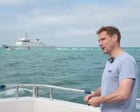
French Navy Firing Sparks Political Dispute
The French Navy Channel incident has become a focal point of controversy after Conservative shadow home secretary Chris Philp rejected explanations from French authorities regarding shots fired near his vessel. Philp, who was monitoring small boat crossings in the English Channel, claims the French Navy Channel incident involved 17 live rounds discharged without prior warning or notification of any training exercise.
Philp's account of the encounter contradicts official French statements characterizing the discharge as a routine training operation. The shadow minister expressed concerns that the incident appeared to constitute deliberate intimidation rather than a scheduled military exercise. His statements have intensified scrutiny of maritime security protocols and inter-governmental communication procedures in the Channel region.
Timeline and Details of the Encounter
According to Philp's social media account, the incident occurred while he was conducting interviews with BBC journalists aboard the vessel. He reported that a French warship approached in close proximity and subsequently fired 17 live rounds behind the boat. The conservative politician emphasized that no advance notice or warning preceded the action, and no training exercise had been formally announced before the shots were discharged.
The timing of the incident proved particularly striking, as Philp was actively engaged in media coverage regarding small boat crossing operations across the Channel. This activity has remained a persistent concern for British policymakers and immigration officials monitoring unauthorized maritime migration patterns.
Official Response and Contradictions
French naval authorities have maintained that the firing constituted a standard training exercise, contradicting Philp's characterization of the event as an intimidation tactic. This discrepancy between British and French accounts has raised questions about coordination mechanisms between the two nations' maritime forces operating in shared waters.
The French Navy Channel incident represents a significant diplomatic moment, as it highlights potential gaps in communication protocols when military vessels operate in proximity to civilian or politically sensitive activities. Philp's rejection of the French explanation underscores these communication challenges.
Context of Channel Security Operations
Philp's presence on the vessel reflected ongoing Conservative Party focus on immigration and small boat crossing operations. As shadow home secretary, his monitoring activities align with the opposition's policy platform regarding border security and illegal migration concerns. The incident has complicated this particular surveillance operation and drawn unwanted attention to Channel safety procedures.
The broader context includes previous incidents in the region, notably involving Russian vessels conducting similar warning operations. The comparison between Russian and French actions has prompted discussion about whether allied nations maintain adequate communication standards during maritime operations.
Political Implications and Response
Philp's public statement regarding the French Navy Channel incident has generated significant media attention and political commentary. Conservative colleagues have expressed support for his account, while questions remain regarding the precise circumstances and intentions behind the firing.
The incident occurs amid broader conversations about UK-France relations, particularly regarding Channel security, immigration enforcement cooperation, and military coordination. Such diplomatic moments require careful handling to prevent escalation while maintaining transparency with the public.
Prison Policy Commentary
During the same media engagement, Philp addressed the ongoing crisis in prison capacity, acknowledging past Conservative government shortcomings while advocating for alternative solutions. He referenced rental arrangements similar to Sweden's agreements with Estonia, proposing that expanded prison capacity need not rely exclusively on domestic construction.
Philp emphasized public responsibility in addressing infrastructure challenges, noting that widespread opposition to local prison construction hampers capacity expansion efforts. He stressed the importance of balancing criminal justice needs with community concerns regarding facility placement.
Broader Questions About Maritime Coordination
The French Navy Channel incident raises fundamental questions about how allied nations coordinate military activities in shared maritime spaces. Clear protocols and advance notification systems prove essential to preventing misunderstandings and maintaining diplomatic relations.
Whether France will provide additional clarification regarding the training exercise remains uncertain. The incident illustrates how military operations, when improperly communicated, can generate political controversy and international tension despite potentially innocent underlying intentions.