Peppa Pig Creators Secure Major Victory Against Unauthorized Wolfoo Content
Peppa Pig's production company wins landmark copyright case forcing removal of Wolfoo videos from YouTube. Learn about this significant intellectual property ruling.
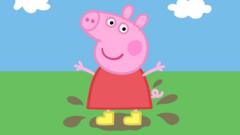
Peppa Pig Rights Holders Triumph in Significant Copyright Dispute
In a landmark decision that reinforces intellectual property protections in the animation industry, a court has ruled decisively in favor of Peppa Pig's creators in their high-profile Peppa Pig copyright case against producers of the competing animated character Wolfoo. The judicial determination mandates the comprehensive removal of all video content featuring the popular animated wolf character from the YouTube platform, marking a substantial victory for the original property holders.
The Court's Decisive Ruling and Its Implications
The presiding judge's order represents a significant outcome within the streaming entertainment landscape. By requiring the complete elimination of Wolfoo-related videos from YouTube's vast content library, the court has sent a clear message regarding the enforcement of copyright protections in digital media spaces. This decision affects potentially thousands of pieces of content that had been publicly available on the platform, demonstrating the judiciary's commitment to safeguarding original creative works.
Understanding the Scope of the Order
The comprehensive nature of this ruling extends beyond simple content removal directives. The order's implementation requires YouTube and content creators to systematically identify, flag, and delete all materials featuring the Wolfoo character. This procedural requirement ensures that the platform maintains compliance with the judicial decision while establishing protocols for handling similar future disputes. The scale of content removal involved in this case underscores the widespread distribution that the Wolfoo character had achieved across digital platforms.
Background of the Intellectual Property Dispute
The conflict between these two animated properties originated from concerns that Wolfoo's character design, narrative structure, and overall presentation drew substantially from elements associated with the Peppa Pig franchise. Legal representatives for Peppa Pig's rights holders argued that the similarities were sufficiently pronounced to constitute intellectual property infringement. They presented evidence demonstrating how both characters and their associated content shared comparable visual aesthetics, storytelling approaches, and target demographic engagement strategies.
Comparative Analysis of the Characters
While both animated characters appeal to young audiences, Peppa Pig's production team contended that specific elements of Wolfoo's presentation crossed the threshold from inspiration into imitation. The arguments presented to the court focused on distinctive characteristics that Peppa Pig had established within the animation genre, suggesting that Wolfoo's creators had deliberately replicated these distinguishing features. The judicial examination of these claims resulted in the finding that sufficient substantive overlap existed to warrant copyright protection enforcement.
Digital Platform Responsibilities and Content Management
This case highlights the evolving responsibilities of digital platforms like YouTube in monitoring and managing copyright-infringing content. The ruling establishes that streaming services bear significant accountability for the material hosted on their networks. YouTube's obligation to execute the removal order demonstrates the platform's legal duty to enforce copyright decisions and maintain compliance with judicial directives. This responsibility extends beyond passive notification, requiring active identification and deletion of prohibited content.
Practical Implementation Challenges
The execution of such comprehensive content removal presents substantial technical and administrative challenges. YouTube and affected content creators must develop systematic approaches to identify all videos containing Wolfoo material, verify their compliance status, and execute appropriate removal procedures. The scale of potential content affected by this order—spanning multiple uploads, variations, and related materials—demonstrates the complexity of enforcing copyright protection across digital platforms.
Broader Implications for Animation Industry and Content Creators
This precedent-setting decision carries substantial significance for the animation industry at large. Content creators and production companies now possess enhanced judicial support for protecting their intellectual property investments. The ruling reinforces that substantial similarities in character design, narrative approach, and market positioning constitute actionable copyright violations. This development may encourage other content creators to pursue legal remedies against perceived infringements of their proprietary works.
Impact on Independent and Emerging Content Producers
Independent animators and smaller production companies may face increased scrutiny regarding the originality of their creations. The decision establishes clearer boundaries regarding what constitutes acceptable inspiration versus problematic imitation. Emerging creators must now demonstrate more deliberate differentiation in their character design and storytelling approaches to avoid similar legal challenges. This requirement may increase production costs and development timelines as creators invest greater resources in establishing distinctive intellectual property.
YouTube's Response and Future Content Governance
The platform's compliance with the court's removal order reflects broader efforts by major technology companies to address copyright infringement within their ecosystems. YouTube has implemented increasingly sophisticated content identification systems to detect and manage infringing materials. This case demonstrates the effectiveness of judicial oversight in compelling platform accountability when technological solutions alone prove insufficient.
Emerging Content Moderation Standards
The decision may influence how YouTube and similar platforms approach content review and removal procedures. Platforms may strengthen their copyright detection algorithms, expand their legal teams' capacity to assess infringement claims, and develop more responsive mechanisms for executing court-ordered content removal. These developments reflect the growing recognition that copyright protection requires collaborative efforts between judicial systems, technology platforms, and content creators.
Long-Term Effects on Content Distribution and Rights Protection
As digital content distribution continues to expand globally, intellectual property protection remains paramount for creative industries. This Peppa Pig copyright case reinforces the principle that innovative works deserve legal safeguards against unauthorized replication. The ruling establishes judicial precedent that strengthens creators' ability to defend their investments in original content development.
The ultimate outcome of this significant copyright dispute reaffirms that intellectual property protections apply effectively within digital environments. Both platforms and content creators must recognize their respective responsibilities in preventing unauthorized distribution of protected materials. The comprehensive removal order for Wolfoo content demonstrates that judicial systems can enforce meaningful consequences for copyright violations, even within the vast and complex landscape of internet-based media distribution. This precedent will likely shape how similar disputes are addressed in future litigation involving animated characters and digital content platforms.