Labour Claims Decisive Greater Manchester Mayoral Byelection Win
Labour secures overwhelming victory in Greater Manchester mayoral byelection. Bev Craig succeeds Andy Burnham, reclaiming areas lost to Reform UK and Greens.
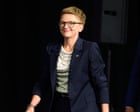
Labour Achieves Commanding Victory in Greater Manchester Mayoral Byelection
The Greater Manchester mayoral byelection has delivered a resounding triumph for the Labour Party, reestablishing the party's dominance across key constituencies that had recently shifted toward alternative political movements. This decisive electoral outcome marks a significant moment in northern English politics, consolidating Labour's control over one of the nation's most influential regional offices.
Bev Craig, the incumbent leader of Manchester city council, has successfully secured the mayoral position and will now assume the responsibilities previously held by Andy Burnham. Her victory in the Greater Manchester mayoral byelection demonstrates substantial public confidence in Labour's governance and vision for the region's future development.
Recovery of Lost Ground in Strategic Areas
The election results reveal that Labour has successfully recaptured territories where support had shifted to competing political forces during the May elections. Reform UK and the Green Party had made notable inroads in these constituencies, capturing voter attention through alternative platforms and distinct policy proposals. However, the electorate's decision in this byelection indicates a reversal of those trends and renewed backing for Labour's comprehensive regional strategy.
Craig's campaign focused on addressing persistent local concerns and emphasizing Labour's track record of delivering tangible improvements to communities across Greater Manchester. The recovery of these contested areas underscores the effectiveness of grassroots engagement and targeted messaging that resonated with voters who had previously explored other political options.
Bev Craig's Path to Regional Leadership
As Manchester city council leader, Bev Craig has built a reputation for hands-on governance and commitment to urban development initiatives. Her progression to the Greater Manchester mayoral position represents a natural evolution of her political career and reflects confidence from both party colleagues and constituents. The role she inherits places her among the most powerful regional administrators in England, with authority over critical decisions affecting millions of residents.
The mayoral office in Greater Manchester commands substantial influence over transport infrastructure, economic development, housing strategy, and public services coordination across ten metropolitan boroughs. Craig's appointment to this position signals Labour's intention to maintain strategic focus on northern economic regeneration and investment priorities that have become increasingly central to national political discourse.
Implications for National Labour Strategy
The outcome of the Greater Manchester mayoral byelection extends beyond local significance, offering important indicators for Labour's broader electoral positioning. Success in reclaiming areas that temporarily shifted toward Reform UK and the Greens demonstrates the party's capacity to recover lost support and maintain resilience in competitive electoral environments.
This victory reinforces Labour's established presence in northern England, a region traditionally regarded as politically significant and electorally influential. The comprehensive nature of the Greater Manchester mayoral byelection result suggests that voters retain confidence in Labour's governance capabilities and remain engaged with the party's policy agenda for regional development and social provision.
Greater Manchester's Mayoral Authority and Responsibilities
The Greater Manchester mayoral position represents one of the most consequential regional offices outside the Westminster parliamentary system. The mayor exercises oversight of devolved authority concerning economic strategy, public transportation networks, emergency services coordination, and strategic planning decisions affecting the broader metropolitan area.
Bev Craig's assumption of these responsibilities occurs within a context of ongoing regional development initiatives and emerging policy priorities that require sustained political leadership. Her election in the Greater Manchester mayoral byelection equips her with democratic legitimacy to advance ambitious regional objectives and maintain constructive relationships with central government authorities and local council leaders throughout the ten boroughs.
Looking Forward: Craig's Vision for Greater Manchester
The byelection outcome provides Bev Craig with a clear mandate to establish her own priorities while maintaining continuity with established regional strategies. Her leadership of the Greater Manchester mayoral office will likely emphasize sustainable economic development, enhanced public service delivery, and continued engagement with communities across all constituent boroughs.
The decisive nature of Labour's victory in the Greater Manchester mayoral byelection suggests public appetite for continued investment in regional governance and political attention to northern economic development. As Craig moves forward in her mayoral responsibilities, she will navigate the complex political landscape of multi-borough administration while addressing constituent expectations and advancing Labour's policy commitments throughout Greater Manchester.