England Faces Unprecedented Drought Crisis Across Multiple Regions
More than half of England enters official drought status as extreme heat and low rainfall devastate rivers, agriculture, and natural ecosystems across the nation.
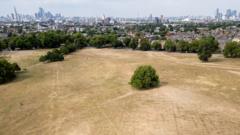
England Drought Crisis Reaches Critical Levels
An England drought crisis has been officially declared by environmental authorities, affecting more than half of the country as extreme weather conditions continue to intensify. The unprecedented situation reflects a combination of prolonged high temperatures and significantly reduced precipitation that has severely impacted water resources, agricultural productivity, and ecological systems across numerous regions.
The declaration of this England drought crisis represents one of the most serious water management challenges the nation has faced in recent years. Environmental officials have confirmed that the dry conditions affecting the country stem from an exceptionally hot and dry period that persisted over an extended timeframe, creating cascading effects throughout multiple sectors of society and natural environments.
Impact on Water Systems and Rivers
Rivers throughout affected areas have experienced dramatically reduced water levels, creating serious concerns for aquatic ecosystems and water supply infrastructure. The England drought crisis has forced water companies to implement emergency measures to protect essential services and maintain supply to households and businesses. Low river levels have compromised both recreational activities and the natural habitats that depend on consistent water availability.
The reduced flow in waterways has also affected power generation facilities that rely on water cooling systems, potentially creating additional strain on energy supplies during a period when demand typically increases due to hot weather conditions. Authorities have warned that without significant rainfall, the situation could deteriorate further, necessitating more stringent water use restrictions across the country.
Agricultural Consequences and Crop Damage
Farmers across the affected regions are facing substantial losses as the England drought crisis impacts crop yields and livestock management. The combination of extreme heat and insufficient water availability has stressed crops during critical growing periods, resulting in reduced harvests and increased production costs. Agricultural representatives have expressed serious concerns about food security and the long-term viability of farming operations in severely affected areas.
The drought conditions have forced farmers to implement emergency irrigation measures and, in some cases, reduce herd sizes due to insufficient water and grazing resources. This situation threatens food production capacity and has implications for supply chains throughout the agricultural sector. Rural communities dependent on farming are experiencing economic hardship as operational expenses rise while revenue prospects decline.
Ecological and Environmental Damage
Wildlife and natural habitats have suffered considerably under the England drought crisis conditions. Wetlands have dried up, affecting bird populations and other species that depend on water-rich environments. Forest fire risks have increased dramatically, with dry vegetation creating hazardous conditions across woodlands and heath areas. Biodiversity has been threatened as many species face water scarcity and habitat loss simultaneously.
Conservation organizations have warned that the ecological damage from prolonged drought conditions could have lasting effects on local ecosystems. Species that depend on freshwater sources face population declines, and the natural recovery process could take years even after rainfall returns to normal levels. The combined stress of heat and water scarcity has overwhelmed some habitats' capacity to sustain their resident populations.
Government Response and Emergency Measures
Environmental authorities have activated emergency protocols in response to the England drought crisis, implementing water use restrictions and promoting conservation measures among the public and businesses. Water companies have been authorized to introduce temporary restrictions on non-essential water use, including garden watering and car washing. Public awareness campaigns have been launched to encourage responsible water consumption during this critical period.
Officials have held emergency meetings to coordinate responses across different regions and ensure that essential services remain operational. Contingency plans have been activated for potential supply disruptions, and additional water sources have been mobilized to supplement traditional supplies in the most severely affected areas. The government has also committed to reviewing long-term water management strategies to build resilience against future drought events.
Climate Change and Future Outlook
Experts attribute the England drought crisis to broader climate change patterns that are producing more frequent and intense weather extremes. The combination of warming temperatures and shifting precipitation patterns has created conditions conducive to extended dry periods. Scientists warn that without significant climate action, such events may become increasingly common, requiring fundamental changes in water management and resource planning.
The current England drought crisis serves as a stark reminder of climate vulnerability and the interconnectedness of environmental systems. Water security, food production, energy generation, and ecosystem health are all affected simultaneously, creating complex challenges for policymakers and communities. Future planning must account for increased frequency of drought conditions and develop adaptive strategies to maintain essential services and protect vulnerable populations.
Regional Impact Assessment
Different regions experiencing the England drought crisis face varying severity levels, with some areas approaching critical water availability thresholds. Southern and southeastern England have been particularly hard hit, with water storage levels dropping to concerning levels. Some regions have implemented more stringent restrictions than others, reflecting localized drought severity and available water reserves.
Rural communities have been disproportionately affected by the England drought crisis, with limited access to alternative water sources and infrastructure. Urban areas, while generally better positioned to manage supply challenges through existing systems, have not been exempt from the impacts. Cross-regional coordination has become essential to equitably distribute available water resources and prevent localized shortages from becoming catastrophic.
Looking Forward
As the England drought crisis continues, monitoring systems remain on high alert for any changes in weather patterns. Meteorological forecasts will be crucial in determining when relief might arrive through precipitation. In the interim, all sectors of society are being called upon to adopt water conservation practices and support emergency response efforts to mitigate the ongoing impacts of this unprecedented environmental challenge.