BA Flight's Terrifying Mayday Emergency Ends Safely at Heathrow
Passenger on British Airways mayday flight describes intense fear and emotional moments during emergency landing at Heathrow. Read firsthand account of the distress call incident.
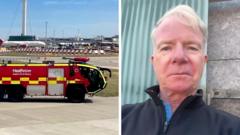
Passenger Recounts Harrowing Experience During British Airways Mayday Flight
A traveler aboard a British Airways mayday flight has provided a detailed account of the frightening moments experienced during an unexpected emergency at London's Heathrow Airport. Edward Killiwick, who was present on the aircraft when the distress call was issued, shared insights into the emotional turbulence that gripped passengers as the crew managed the crisis with professionalism.
The British Airways mayday flight incident occurred earlier this month when crew members activated emergency protocols following an onboard situation. Despite the gravity of the declaration, the aircraft ultimately executed a safe landing at Heathrow, preventing what could have been a catastrophic outcome for everyone aboard.
Inside the Cabin: A Passenger's Perspective
Killiwick's firsthand testimony reveals the psychological impact that such emergencies have on those traveling. During the critical moments when the distress call was transmitted, passengers experienced a surge of anxiety and uncertainty about their fate. The passenger described hearing fellow travelers express their deepest fears, with some openly voicing concerns about survival.
The atmosphere within the cabin transformed from routine flight procedures to heightened alert status. Crew members worked methodically to inform passengers of the situation while maintaining calm and order. Killiwick noted that the professionalism displayed by flight attendants and pilots played a crucial role in preventing panic from spreading throughout the aircraft.
The Emergency Response and Safe Resolution
When the British Airways mayday flight issued its distress call, emergency services at Heathrow immediately mobilized to prepare for the aircraft's arrival. Ground crews positioned emergency vehicles along the runway and medical teams stood ready to respond to any potential injuries.
The landing itself proceeded without complications, demonstrating the skill and training of the flight crew. Once safely on the tarmac, passengers were able to disembark in an orderly fashion. No serious injuries were reported among the travelers or crew members, marking the incident as a successful example of aviation safety protocols in action.
Understanding Mayday Calls in Aviation
A mayday call represents the highest level of distress declaration in aviation. When a pilot transmits this signal, it indicates a life-threatening emergency requiring immediate assistance from air traffic control and emergency services. The British Airways mayday flight's distress call triggered standard emergency response procedures designed to protect everyone on board.
These protocols exist precisely to handle situations where aircraft encounter unexpected technical difficulties or other serious issues. The training that pilots, crew members, and ground personnel undergo ensures that responses are coordinated and effective, even in the most challenging circumstances.
Passenger Safety and Confidence in Air Travel
While the British Airways mayday flight incident was undoubtedly stressful for those aboard, it demonstrates the multiple layers of safety built into modern aviation. Commercial aircraft are engineered with redundant systems, and personnel are extensively trained to handle emergencies of all kinds.
Killiwick's account, while highlighting the emotional aspects of such an event, also underscores how existing safety measures functioned as intended. The crew's response, the aircraft's structural integrity, and the coordinated efforts of ground personnel all contributed to ensuring passenger safety.
Recovery and Moving Forward
Following the British Airways mayday flight incident, passengers and crew members were given the opportunity to debrief and process their experiences. Airlines typically conduct thorough investigations into any mayday calls to identify contributing factors and ensure continuous improvement of safety procedures.
The successful resolution of this emergency serves as a reminder that aviation remains one of the safest modes of transportation available. Despite occasional dramatic incidents like the British Airways mayday flight, statistics consistently show that commercial air travel maintains exceptional safety records compared to other forms of long-distance transportation.
For travelers like Killiwick, the experience has provided a new perspective on the importance of trained professionals in critical situations and the remarkable systems in place to protect passengers in the unlikely event of an emergency.